Monday 1 September was National Wattle Day, celebrating the Golden Wattle, our national floral emblem, symbolising national pride, unity and resilience.
Against this, the week has been filled with disturbing and tragic events: A young life lost in a school bus disaster with many injured, the frightening alleged murder of two Victoria Police carrying out routine serving of a warrant.
And the revelation that the fire bombings of a synagogue and other incidents carried out against Australians of Jewish heritage was orchestrated by IRGC, a terrorist group emanating from Iran.
And on Sunday, the unedifying pictures of anti-immigration March for Australia protesters, counter protesters and pro-Palestinian protesters clashing in the streets of Melbourne.
Many are worried and look for reasons why our society appears less cohesive and more chaotic.
Others are choosing to make a conscious decision to not read watch or listen to the news, retreating into the comforting arms of the latest Netflix distraction.
we’re alone together,
in this room of our own making.
screens glow,
hearts flicker,
but the distance remains.”
Golding – Golding – Alone, Together
There are several overlapping reasons why people today may be becoming less involved and less informed about events, both local and global, even when these events directly affect their lives.
We are bombarded with news, opinions, and content 24/7 through social media, news outlets, notifications and it becomes overwhelming and instead of engaging more deeply, many disengage or skim the surface.
Constant exposure breeds numbness and important issues get lost in the noise.
Many are overworked and managing family, health issues, cost of living stresses or multiple jobs.
For the time poor, staying informed even about important issues becomes a luxury not a priority.
I scroll past the headlines,
past the shouting and the spin,
until it’s footy scores,
traffic on the Monash,
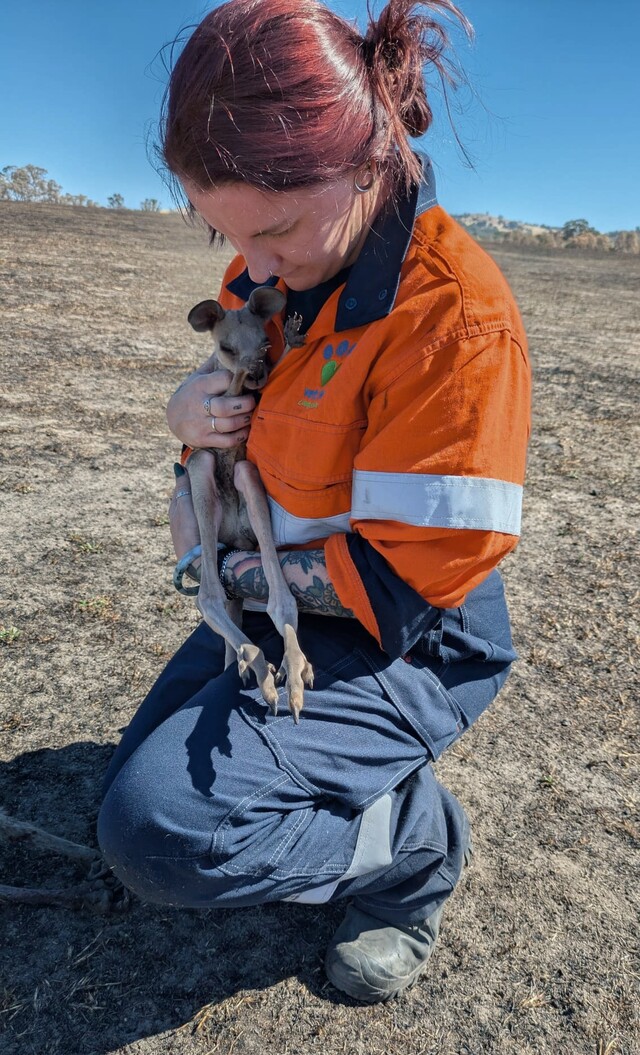
and a wombat rescue story.
I breathe easier there.
Once there were key ways people stayed informed and involved in their communities: through trusted sources of information whether newspapers, radio or respected community leaders.
Today churches, unions, clubs, and other civic organisations have declined in most areas.
Now algorithms tailor content to individual preferences.
People get trapped in echo chambers where their existing beliefs and prejudices are reinforced rather than challenged. News now competes with social media.
Distrust in institutions leads to people disengaging because they believe their actions won’t matter.
Or in the naive belief that online activities of liking, sharing, commenting can feel like doing something when in reality it doesn’t lead to real world impact.
After the Headlines
The screen glows blue in the half-dark,
a tide of grief I do not touch.
War begins, storms rise,
whole cities burn in a single sentence
before the feed scrolls on.
I tell myself I will keep up,
that knowing is a form of witness,
but the flood keeps coming,
and I learn how to look away
without shutting my eyes.
Anonymous
Regrettably not all educational systems teach critical thinking, media literacy, or civic responsibility.
Humanities degrees have been downgraded and made a costly choice.
The question to ask is, can we put our heads in the sand and hope it will all go away so we can return to an often imagined sepia coloured better world?
The world has changed in many ways and not all are bad.
Being less informed and less involved is not the right way to cope with the stress when tough events confront us.
Hannah Arendt stressed that genuine political action requires engagement, judgment, and responsibility beyond turning up every three years at a polling booth for a democracy sausage.
The danger is that people retreating from public life into private concerns, allows authoritarianism and real or imagined feelings of injustice to flourish.
In the case of Desi Freeman, the alleged murderer of the two policemen, many worrying aspects are emerging.
He was known to style himself as a ‘sovereign citizen’, not beholden to the laws of any state or nation.
And we are now realising that this is a growing movement, challenging the rule of law.
Growing in numbers from the period of Covid lockdowns, sometimes fuelled by religious extremism as in the fatal shooting of two Queensland police constables and a neighbour at a rural property in Wieambila in 2022.
American cultural critic, Neil Postman, warned back in 1985 in Amusing Ourselves to Death that television and later mass media would turn serious public discussion into entertainment, eroding public understanding and civic engagement. Television and social media’s emphasis on entertainment has transformed vital cultural areas like politics, religion, and education into captivating yet shallow experiences.
When was the last time you were involved in a deep discussion on say immigration?
The default topic is likely to have been football.
A number of contemporary poets have written about how people disconnect, avoid, or become numb to the news.
But the warnings about disengagement are not just those today.
Poets like W H Auden eerily anticipated news saturation. Not about TV or Instagram of course, but the collage of voices, headlines, and fragments, much like today’s news feeds.
I sit in one of the dives
On Fifty-second Street
Uncertain and afraid
As the clever hopes expire
Of a low dishonest decade:
Waves of anger and fear
Circulate over the bright
And darkened lands of the earth,
Obsessing our private lives;
The unmentionable odour of death
Offends
– September 1, 1939 (1939)
What happens is that citizens are turned into passive consumers rather than active participants in democracy.
Australian spoken word poets (e.g. Luka Lesson, Omar Musa) often critique the ‘doom scroll’ and the disconnect between lived experience and the headlines.
Many thinkers, writers and poets largely agree that technology, especially social media, plays a central role in weakening understanding and engagement.
And media and education systems often fail to equip people with the tools to critically interpret their world.
Despite this, hope, resistance, and meaningful engagement are still possible — but they require deliberate action, reflection, and community.
Education is the answer and technology is the tool not the master.
Woorilla Poetry Prize is now accepting entries: woorilla.org.au